
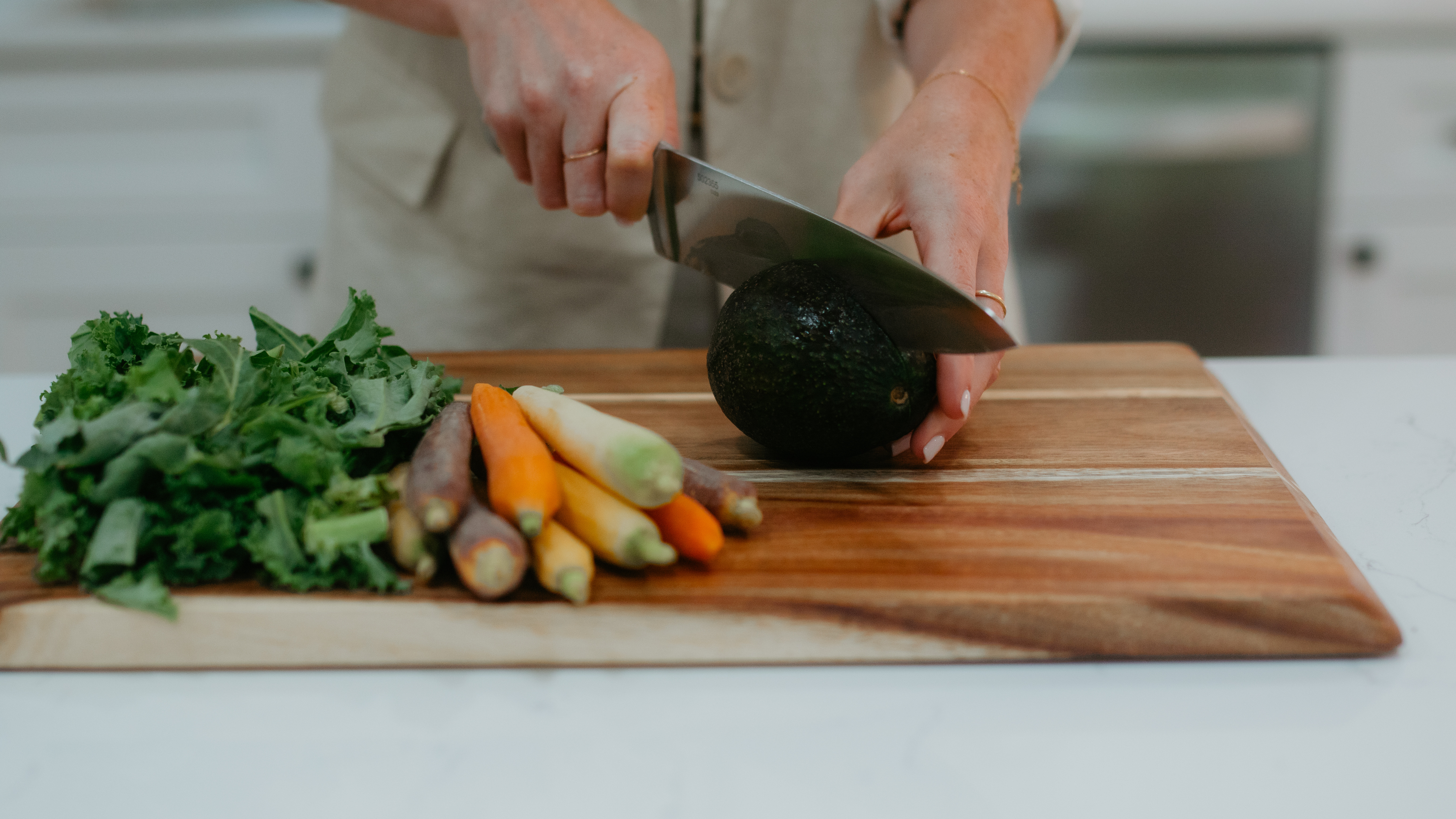
A gut-friendly Thanksgiving does not require a separate “perfect” menu. The biggest wins often come from how you approach the day: eating regularly, choosing a satisfying plate, slowing down, and making room for foods you genuinely enjoy.
Do not skip meals to save room
Arriving ravenous can make it harder to notice fullness and may lead to eating very quickly. Have a normal breakfast and a light lunch or snack that includes protein and fiber.
Build a balanced first plate
Start with turkey or another protein, add vegetables, and include the starches or traditional sides you care about most. There is no need to avoid carbohydrates. A balanced plate is usually more satisfying than grazing on appetizers while trying to be “good.”
Slow down and take a walk
Sit down, chew comfortably, pause between servings, and go easy on carbonated drinks if they reliably make you feel distended. A short, easy walk can support post-meal comfort and gives the day a natural reset. It should never be used to “earn” or compensate for food.
Two gut-friendly side dishes
Maple roasted carrots
Toss sliced carrots with olive oil, a small drizzle of maple syrup, thyme, salt, and pepper. Roast at 425°F until browned and tender.
Lemon green beans with toasted almonds
Cook green beans until tender-crisp. Finish with lemon zest, olive oil, toasted sliced almonds, salt, and pepper. Adjust nuts or fiber-rich vegetables to your personal tolerance.
When holiday bloating is more than occasional
If meals routinely cause significant pain, diarrhea, constipation, reflux, or hours of distress, the holiday is probably not the only issue. Persistent symptoms deserve an individualized evaluation.
Ready for support that fits your life?
LivingWell Nutrition supports clients in Charlotte, NC and virtually nationwide. Book a free discovery call.
Sources and further reading
Educational note: This article provides general nutrition education and is not medical advice, diagnosis, or treatment. Individual needs vary.